
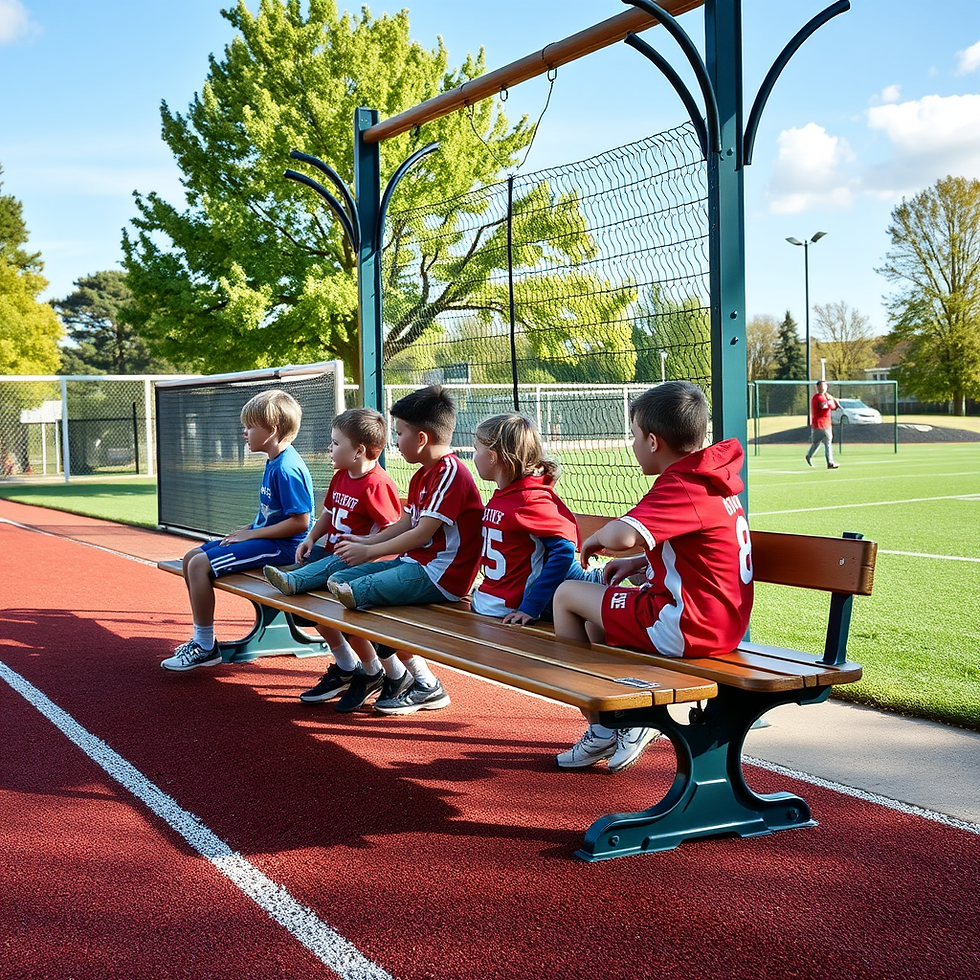
How to Handle Being on the Bench
Being on the bench is part of sports, but that does not make it easy. For kids, it can bring disappointment, frustration, embarrassment, and even self-doubt. For parents, it can be hard to watch your child sit while others play, especially when you believe they are ready or deserving of more minutes.
The way families handle bench time matters. It shapes how kids understand effort, patience, team roles, and adversity. When handled well, the bench can become a lesson in resilience instead of a source of resentment.
Reframe the Bench
The first step is to change the story. The bench is not proof that a child is unwanted, overlooked, or less valuable. It is simply one part of the game experience, and it does not define a child’s worth or future potential.
Kids need to know that their value is not tied only to playing time. They are still part of the team when they are cheering, learning, observing, encouraging, and preparing. Sometimes the most important growth happens while they are not in the action.
Help Kids Process It
When a child is on the bench, the goal is not to rush them out of disappointment. Let them name what they feel. They may be sad, mad, confused, or embarrassed, and all of that is normal.
A helpful parent response sounds calm and steady:
“I can see that hurt.”
“It makes sense that you’re frustrated.”
“You still belong here.”
“Let’s think about what you can control next.”
This kind of response helps a child feel seen without getting stuck in the emotion. Kids usually do better when they are allowed to feel disappointed without being lectured or minimized.
Focus on What They Control
Bench time can either lead to helplessness or growth, depending on the message kids receive. Encourage them to focus on effort, attitude, body language, and readiness. Those are the things they can control even when they are not playing.
You can ask questions like:
Did you stay engaged?
Were you a good teammate?
Did you support the group?
Were you ready when your name was called?
What can you learn for next time?
These questions keep the focus on growth instead of blaming coaches, teammates, or officiating. They also help kids build emotional maturity, which is a skill they will use long after sports.
What Parents Should Avoid
It is natural to want to defend your child, but venting too quickly can make the situation heavier. If a parent reacts with anger, sarcasm, or constant complaining, a child may learn to see the bench as unfair punishment rather than part of development.
Try to avoid:
Criticizing the coach in front of your child.
Comparing your child to teammates.
Making the bench feel like a personal injustice every time.
Treating playing time as the only measure of success.
Kids borrow our emotional temperature. If we turn every bench moment into a crisis, they are more likely to do the same.
How Coaches Can Help
Coaches play a big role in how bench players feel. Even when playing time is limited, kids should still feel valued, prepared, and included. A quick check-in, clear communication, and consistent encouragement can make a huge difference.
Helpful coaching habits include:
Explaining roles and expectations clearly.
Praising effort and improvement, not just production.
Giving bench players specific ways to stay engaged.
Rotating opportunities fairly when possible.
Recognizing that every child is watching how they are treated.
When kids feel respected, they are more likely to stay connected to the team even during hard moments. That connection is what keeps many athletes from quitting altogether.
Build Bench Resilience
Learning to handle the bench is really learning to handle life. Not every moment will go our way. Not every effort will be rewarded immediately. Not every child will be the starter, the star, or the most visible player.
But kids can still learn confidence, discipline, and teamwork from those moments. They can learn how to encourage others, how to stay ready, and how to respond with character when things do not go their way. Those lessons matter more than one game, one season, or one lineup decision.
The goal is not to teach kids that being on the bench feels good. The goal is to teach them that they can handle it well. That is where confidence starts to grow.
Final Thought
A child who learns how to handle the bench without losing heart is learning something bigger than sports. They are learning patience, humility, self-control, and resilience. They are learning that their role matters even when they are not in the spotlight.
That is positive play. Not just cheering for the minutes they get, but helping kids become steady, grounded, and strong in the minutes they do not.


Comments